Hidden costs to avoid with Bounds Green rubbish clearance
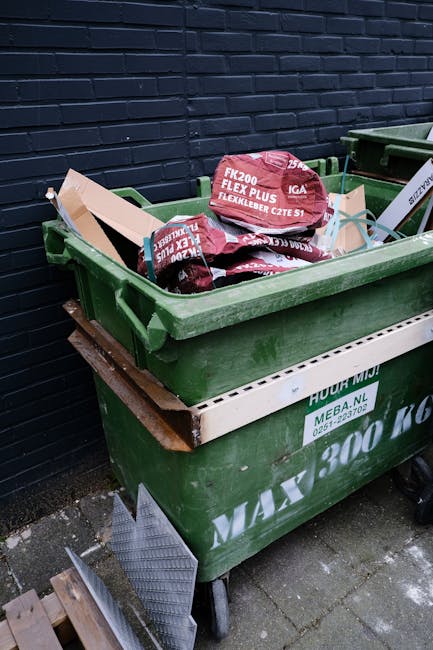
If you are planning a clearance in Bounds Green, the headline price is only part of the story. The real stress usually comes from the bits people do not see at first glance: stair carries, access issues, extra labour, special item handling, permits, and disposal charges that quietly stack up. Hidden costs to avoid with Bounds Green rubbish clearance can turn a tidy job into an expensive one if you do not ask the right questions early.
That is the whole point of this guide. We will walk through the common charge traps, how rubbish clearance usually works, what makes a quote fair, and how to keep control of your budget without making the process awkward or complicated. To be fair, most problems come from rushed decisions rather than bad intentions. A little clarity up front saves a lot of hassle later.
Why hidden costs matter
Rubbish clearance looks simple on paper. You have unwanted items, someone collects them, and the space is clear. But in real life, the final bill can drift if the job is not scoped properly. A sofa at the kerb is one thing; a sofa on the third floor with narrow stairs and no lift is another. Same item, very different effort.
In Bounds Green, where homes and flats can vary quite a bit, access is often the hidden issue. Parking can be tight, bins can be awkwardly placed, and lifting heavy furniture through hallways is not exactly a breeze. Those practical realities are what often trigger extra charges. If you understand them in advance, you can compare quotes properly rather than just chasing the cheapest number.
There is also the matter of waste type. General household rubbish is usually easier to price than mixed loads, bulky furniture, appliance removal, or potentially hazardous materials. A quote that looks attractive can become less attractive very quickly if certain items were not mentioned at the start.
Expert summary: The cheapest rubbish clearance quote is not always the cheapest job. The real cost is the final invoice after access, labour, waste type, and disposal rules have all been accounted for.
If you want to understand the service in broader terms before you book, it can help to review the main waste removal offering and compare it with specialist services like house clearance or office clearance. Different jobs are priced differently for a reason.
How rubbish clearance pricing works
Most rubbish clearance providers base pricing on a few simple variables: volume, weight, labour, access, and disposal route. That sounds technical, but it is really just a way of saying, "how much stuff is there, how hard is it to remove, and where does it need to go?"
Here is what usually affects the quote:
- Volume: how much space the rubbish takes up in the vehicle.
- Weight: dense waste like soil, bricks, or tiles may cost more than light mixed rubbish.
- Access: stairs, distance from the entrance, lift availability, and parking conditions.
- Labour: the number of staff needed and the time required to safely lift and carry items.
- Waste type: furniture, appliances, garden waste, builders' waste, and general junk are not always handled the same way.
- Special handling: items such as fridges, mattresses, or hazardous waste may need separate treatment.
The important thing is to be specific. A clear photo, a rough item list, and honest notes about access can save you from nasty surprises. You would be amazed how often a quote changes because someone forgot to mention a locked basement or a broken lift. Happens all the time.
If you are comparing service types, it is worth looking at related clearance pages such as furniture clearance, garage clearance, and garden clearance. Each one has its own likely cost drivers.
Key benefits and practical advantages
Taking time to avoid hidden costs is not just about saving money, though that is obviously a big part of it. It also makes the whole clearance smoother and less chaotic. A well-planned job tends to finish faster, with fewer awkward conversations and fewer "oh, by the way..." moments at the door.
Here are the main benefits:
- Better budgeting: you know what to expect before the van arrives.
- Less disruption: the team can work efficiently when the job is accurately described.
- Fewer disputes: a detailed quote reduces misunderstandings later.
- Safer handling: special items are treated properly instead of being squeezed into a general quote.
- More confidence: you can make a decision without second-guessing the final invoice.
There is another advantage people overlook: peace of mind. Rubbish clearance often happens during life-admin moments that are already annoying enough, like moving house, finishing a renovation, or clearing out a flat after a tenancy ends. When the price is clear, the whole process feels lighter. Not glamorous, but very real.
Who this is for and when it makes sense
This matters for almost anyone arranging a clearance in Bounds Green, but it is especially useful if you are dealing with bulky, mixed, or awkward waste. If your job is just a couple of bags, fine. Once you move into furniture, appliances, builders' debris, or a full-property clearance, the hidden-cost risk starts creeping up.
It makes particular sense for:
- homeowners clearing lofts, garages, or spare rooms
- tenants leaving a flat and trying to keep deductions low
- landlords preparing for new occupants
- local businesses clearing offices or storage areas
- people renovating and dealing with construction waste
- families disposing of large items like wardrobes, sofas, or mattresses
If your job includes specific items, the specialist services matter. For example, a mattress, sofa, or fridge may need different handling from mixed household waste. You can review options like mattress and sofa disposal and fridge and appliance removal if those are part of your load.
And if your clearance is for a workplace, the price logic can change again. A commercial job may involve paper records, equipment, or confidential material, which is why services like business waste removal and confidential shredding exist in the first place.
Step-by-step guidance
If you want to avoid extra charges, follow a simple process rather than winging it on the day. Honestly, winging it is how people end up paying for things they never expected.
- List everything you want removed. Include odd items, not just the obvious bulky ones.
- Check access properly. Note stairs, parking distance, narrow hallways, lifts, and any time restrictions.
- Separate special waste. Keep hazardous items, electricals, and appliances flagged from the start.
- Ask what the quote includes. Does it cover labour, disposal, travel, loading, and VAT if applicable?
- Send photos if possible. Clear images help the provider judge volume and complexity more accurately.
- Confirm timing. Ask whether weekend, same-day, or out-of-hours work changes the price.
- Read the terms carefully. This is where many hidden costs quietly live.
- Get the final scope in writing. Even a short confirmation message can prevent awkward surprises later.
A simple example: if you mention "some garden waste" but forget about half a shed, broken slabs, and a rusted barbecue, the price may be off. Not because anyone is trying to trick you, but because the job changed. The clearer you are, the smoother it gets.
When you need to understand what should and should not go into a load, the page on what can go in a skip is useful as a general reference point. Even if you are not hiring a skip, the logic around waste separation is similar.
Expert tips for better results
There are a few small habits that make a surprisingly big difference. Nothing fancy. Just sensible, practical stuff.
- Be brutally honest about the volume. Underestimating waste is the quickest way to end up with an awkward uplift charge.
- Photograph the hardest bits. Staircases, basements, loft hatches, locked gates, and access routes matter more than people think.
- Ask about heavy materials early. Rubble, soil, broken tiles, and old bathroom fittings can cost more because of weight and disposal rules.
- Keep hazardous items separate. Do not tuck them into a mixed pile and hope for the best. It rarely ends well.
- Check whether assembly or dismantling is included. A wardrobe that must be taken apart takes longer than a loose item. Obvious, yes, but easy to miss.
- Plan around parking where you can. If the vehicle cannot stop near the property, labour time goes up.
One more thing: if something feels vague in the quote, ask. Good providers expect questions. In fact, the clearer the conversation, the more likely you are to get a clean, fair price. No drama. No guessing.
If you want to understand the company behind the service, take a moment to read the about us page. That kind of context can help when you are deciding who feels trustworthy enough to handle your property.
Common mistakes to avoid
Most hidden costs are preventable. They come from small assumptions that snowball.
- Choosing the cheapest quote without checking what is included. Cheap up front can mean expensive later.
- Forgetting about access complications. A ground-floor collection and a top-floor flat are not priced the same.
- Mixing normal waste with restricted items. That can trigger extra handling or refusal on site.
- Not checking item condition. Some items are easier to move intact; others need dismantling.
- Assuming all rubbish is treated equally. Construction waste, appliances, and furniture often follow different disposal paths.
- Leaving out timing details. Rush jobs and out-of-hours collections can cost more.
There is a classic one we see a lot: "It is only a small pile." Then the team arrives and discovers a pile, a bag of broken tiles, three chairs, a mattress, and a shelf unit that sounds like a minor earthquake when moved. The job was never really small. Just understated.
For larger mixed clearances, you may want to compare with specialist options such as builders waste clearance or loft clearance, because the pricing model can change depending on materials and access.
Tools, resources and recommendations
You do not need complicated software or professional equipment to avoid hidden costs. A few simple tools are enough.
- Phone camera: take wide shots of each area and close-ups of anything awkward.
- Rough inventory list: note item count, sizes, and anything unusually heavy.
- Measuring tape: useful if you are dealing with large furniture, tight hallways, or loft openings.
- Access notes: parking distance, stairs, gate codes, lift size, and whether a van can stop outside.
- Quote comparison sheet: a simple note on your phone is enough to compare what each provider includes.
It also helps to review any company information on pricing, safety, and payments before you book. Pages like pricing and quotes, insurance and safety, and payment and security can give you a better sense of what a professional process should look like.
If sustainability matters to you, look for signs that the provider takes recycling seriously rather than treating every job as a simple tip-run. The page on recycling and sustainability is a useful reminder that disposal should be handled responsibly, not just cheaply.
Law, compliance and best practice
Rubbish clearance is not just about removing unwanted stuff. There are legal and practical responsibilities behind the scenes. You do not need to become a compliance specialist, but it helps to know the basics.
As a customer, you should be cautious about who handles your waste. In the UK, waste should be dealt with responsibly, and certain materials need special treatment. Hazardous waste is a good example. Items like chemicals, paint, asbestos-containing materials, or other restricted substances should never be treated like normal rubbish. If a provider is vague about this, that is a warning sign.
For businesses, the standard is even more important. Confidential material, electrical equipment, and mixed commercial waste often require clearer handling and stronger records. It is sensible to ask about disposal methods, insurance, and whether the team follows proper health and safety practices. That is not being fussy. That is being sensible.
When relevant, also check whether the company has clear policies around safety and ethical operations. A provider that makes its health and safety policy and modern slavery statement available is signalling that it takes its responsibilities seriously. You may never need to think about those pages again, but their presence says something about standards.
One practical point: if there is any doubt about hazardous or unusual waste, disclose it early. Do not "hide" an item in the hope it will just disappear. That is how delays, refusals, or extra charges happen.
Options and comparison table
Different clearance options suit different jobs. If you know what you are comparing, the price becomes much easier to interpret.
| Option | Best for | Cost risk | Common hidden charge trigger |
|---|---|---|---|
| General rubbish clearance | Mixed household junk and bagged waste | Medium | Unexpected volume or access problems |
| Furniture clearance | Sofas, wardrobes, tables, beds | Medium | Dismantling, stairs, and heavy lifting |
| Builders waste clearance | Renovation debris and site waste | Higher | Weight, rubble, and restricted materials |
| Garden clearance | Cuttings, soil, branches, and outdoor clutter | Medium | Heavy soil or mixed green waste |
| House or home clearance | Whole-property or room-by-room clearances | Variable | Scale, sorting time, and item variety |
If your job involves a specific category, using the matching service tends to reduce surprise costs because the provider can price the work more accurately from the outset. That is especially true for home clearance and furniture disposal, where item type can affect handling time quite a bit.
Case study or real-world example
Here is a realistic example, based on the kind of situation people regularly run into.
A couple in Bounds Green wanted to clear a flat before the end of a tenancy. They listed "old furniture, some bags, and a few bits from the kitchen." Straightforward enough. But when they did a proper walk-through the day before collection, they realised there was also a broken sofa bed, two mattresses, a fridge, and a pile of items in a rear room that had never really been sorted. Oh, and the lift had been out for weeks.
Once all that was included, the job was still perfectly manageable, but the price needed adjusting to reflect labour, access, and appliance handling. Because they clarified the scope early, there was no argument on the day. The team arrived with the right size crew, removed the items safely, and the flat was cleared without the last-minute panic that so often happens in tenancy turnarounds.
That is the lesson, really. The hidden cost is often not the extra charge itself. It is the stress caused when the actual job and the quoted job do not match.
If you are dealing with a flat in particular, it can be worth checking the details on flat clearance before you book. The access issues are often where the real differences show up.
Practical checklist
Use this before you confirm any Bounds Green clearance booking. It takes five minutes and can save you a fair bit of money.
- Have I listed every item, including the awkward ones?
- Have I mentioned stairs, lifts, parking, and access distance?
- Have I flagged any heavy, bulky, or dismantling-required items?
- Have I separated hazardous waste, appliances, and special items?
- Have I asked what the quote includes and what could cost extra?
- Have I shared photos or a room-by-room overview?
- Do I know whether same-day or weekend collection changes the price?
- Have I checked the provider's terms, safety, and payment information?
- Do I understand whether recycling, disposal, and labour are included?
- Have I got the agreed scope in writing?
That list sounds basic, but basic is good. Clear, calm, and specific beats "I think it should be fine" almost every time.
Conclusion
Hidden costs to avoid with Bounds Green rubbish clearance are usually not mysterious at all once you know where to look. They live in the details: access, item type, labour time, disposal category, and scope creep. If you get those right at the start, the rest of the job is much easier.
The best approach is simple. Describe the waste honestly, ask what is included, flag anything unusual, and compare quotes on the same basis. That is how you protect your budget without turning the process into a hassle.
And if you are clearing space during a busy, slightly messy life moment, that clarity matters more than you might think. A fair quote, a tidy job, and one less thing to worry about - honestly, that can feel like a small win in itself.
If you want a clearer view of the service options, company information, and booking process, you can also review the relevant pages on pricing, safety, and booking before you make a final decision.
Get a free quote today and see how much you can save.
Sometimes the smartest move is just getting the facts straight and letting the clutter go.
Frequently Asked Questions
What are the most common hidden costs in rubbish clearance?
The most common hidden costs are extra labour, difficult access, heavy or restricted waste, item dismantling, and disposal charges for special materials. These usually appear when the job was not described clearly enough at the start.
How do I avoid paying more than expected for a clearance?
Give a full item list, share photos, mention access issues, and ask exactly what the quote includes. If you are honest about awkward items, you are much less likely to face surprise add-ons later.
Why does access affect the price so much?
Because access changes the time and effort needed to move items safely. A second-floor flat with narrow stairs is far more work than a ground-floor room with nearby parking. That difference has to be reflected somewhere.
Are fridges, mattresses, and sofas more expensive to remove?
They can be, yes. These items often need specialist handling or different disposal routes. If you know they are part of the job, tell the provider in advance so the quote is accurate.
Is builders waste always more expensive than household rubbish?
Not always, but it often is because builders waste can be heavier and more awkward to process. Rubble, tiles, plasterboard, and mixed site waste can all affect price and handling.
Can I save money by sorting the waste myself first?
Usually, yes. Separating reusable items, general rubbish, and special waste can make the job easier and reduce labour time. Just do not mix hazardous items into the wrong pile.
Do all rubbish clearance companies charge the same way?
No. Some price by volume, some by load size, and some adjust based on weight or access. That is why comparing quotes on a like-for-like basis matters so much.
What should I ask before I book a clearance?
Ask what the quote includes, whether there are extra charges for stairs or heavy items, how they handle special waste, whether VAT is included if relevant, and what payment methods they accept.
Is it safer to choose the cheapest quote?
Not necessarily. The cheapest quote can be great if it is complete and clear, but it can also leave out important details. A fair, transparent quote is usually better value than a vague bargain price.
What if my items are not exactly what I described?
Tell the provider as soon as you can. Most issues can be handled if they are raised early. Problems usually happen when a job grows on the day without warning.
Do I need to worry about hazardous waste?
Yes. Hazardous items should be declared separately and handled carefully. If you are unsure whether something counts as hazardous, describe it clearly instead of guessing.
How do I know if a quote is genuinely fair?
A fair quote is specific, written clearly, and explains what is included. It should make sense against the amount of waste, the access conditions, and the kind of items being removed. If it feels too vague, ask for more detail.